
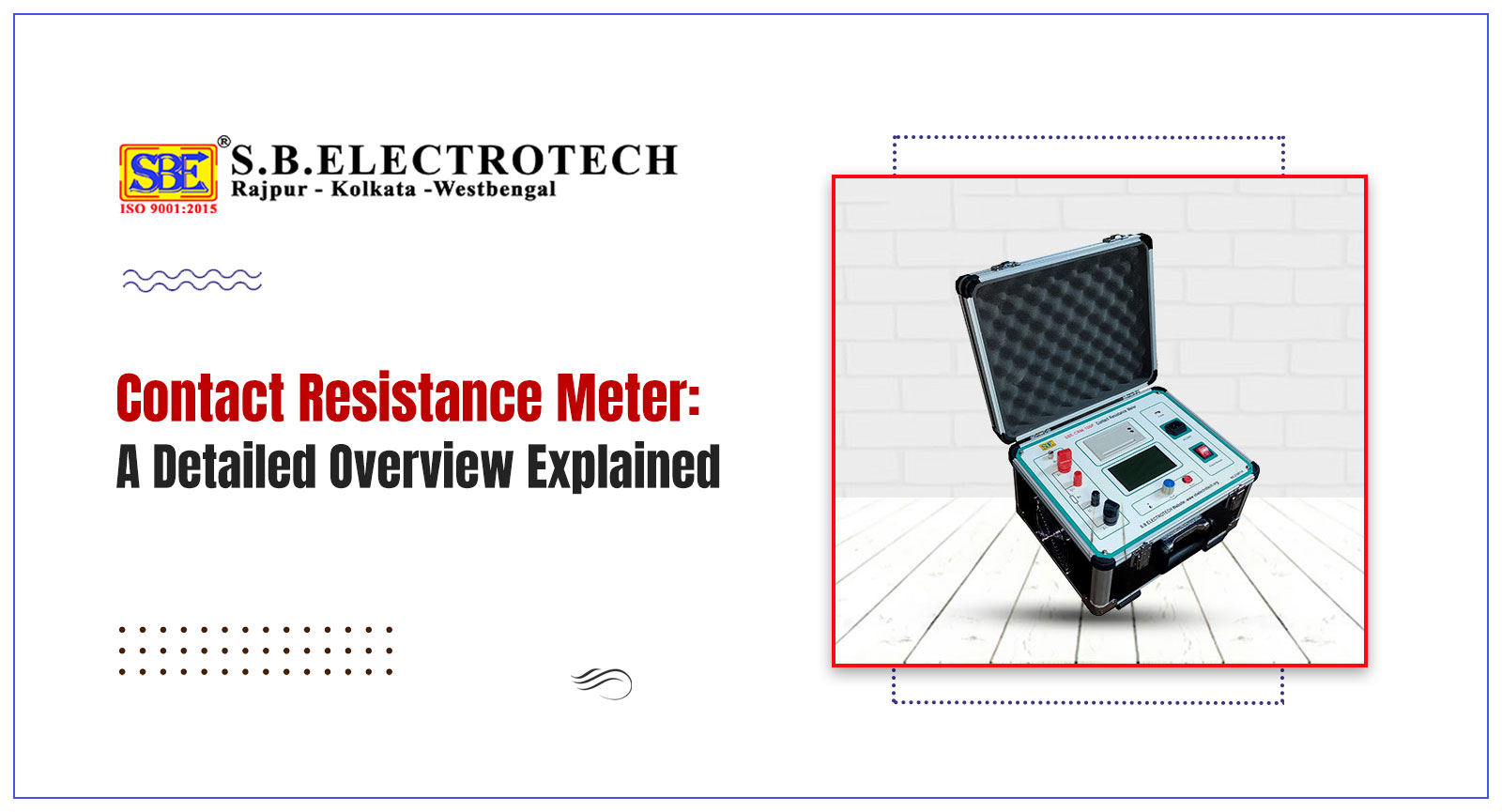
Electrical failures don’t usually start with a big bang. Most problems actually begin at simple connection points where a bolt has loosened, rust has moved in, or parts have just worn down. These tiny flaws make it harder for electricity to pass through, which is why using a Contact Resistance Meter is so important.
This tool measures microscopic obstacles in your electrical joints that you can’t see with the naked eye. Even a tiny bit of friction in the current creates heat. If that heat builds up, it can fry your insulation, waste electricity, and cause the whole system to crash unexpectedly.
By making these meter checks a habit, you catch these hidden “hotspots” before they turn into expensive disasters. It’s the easiest way to make sure your power stays on, your equipment stays safe, and your energy bills stay down.
What a Contact Resistance Meter Actually Measures
A resistance Meter focuses on resistance at physical electrical contact points rather than total circuit resistance. These locations are the most common source of overheating and power loss.
It is mainly used to:
- Test circuit breakers, busbar joints, and cable terminations
- Detect oxidation, looseness, or surface contamination
- Verify proper current-carrying capability
- Identify early signs of failure before breakdown occurs
Because of this level of detail, accurate readings from a Contact Resistance Meter allow maintenance teams to fix small issues at the right time, before they grow into expensive outages, safety hazards, or unexpected production losses. In practical terms, it turns electrical maintenance from a reactive task into a planned and controlled process.
How the Measurement Process Works in Practice
To get an accurate reading, these meters use a professional technique called the four-wire method. It sounds fancy, but it’s basically a clever way to ignore the resistance of the test leads so the tool only measures the actual connection you’re worried about.
Here is how a typical contact resistance meter test looks in the field:
- Pumping Current: The meter sends a heavy, steady flow of power (usually 100 to 300 amps) right through the joint.
- Checking the Drop: It measures how much voltage “leaks” or drops as the electricity struggles to cross that specific spot.
- The Math: The device instantly turns that data into a resistance reading measured in tiny micro-ohms.
- The Verdict: You compare that number to the manufacturer’s “healthy” specs to see if the gear is safe to run.
Because of this specialised setup, these meters catch tiny flaws, like invisible corrosion or a slightly loose bolt, that a basic handheld tool would miss. Think of it as using a high-powered microscope for your electrical system instead of just a glance
Why Low Contact Resistance Is Critical for Safety
Electrical contacts with high resistance create localised heating that may not be visible until severe damage occurs. Regular testing with a Contact Resistance Meter prevents this hidden risk.
Consequences of high resistance include:
- Excess temperature rise at terminals
- Increased energy consumption and voltage drop
- Accelerated insulation ageing
- Risk of arcing, phase failure, or fire
Using a resistance meter during scheduled maintenance significantly reduces unplanned downtime and improves system reliability.
Conclusion
Think of a contact resistance meter as your electrical system’s “check engine” light. It’s more than just a piece of equipment; it’s the best way to keep your operations running smoothly. By catching tiny electrical bottlenecks in joints and connections, it helps you spot loose or rusted parts before they turn into expensive breakdowns, power failures, or fire risks. At SB Electrotech, we know that regular testing is the secret to a reliable maintenance plan.

S.B.ELECTROTECH
S.B. Electrotech is a company that specializes in manufacturing of electrical and electronic testing and measuring instruments. With years of expertise in this field, we ensure to provide high quality, safe, and sustainable products.
