
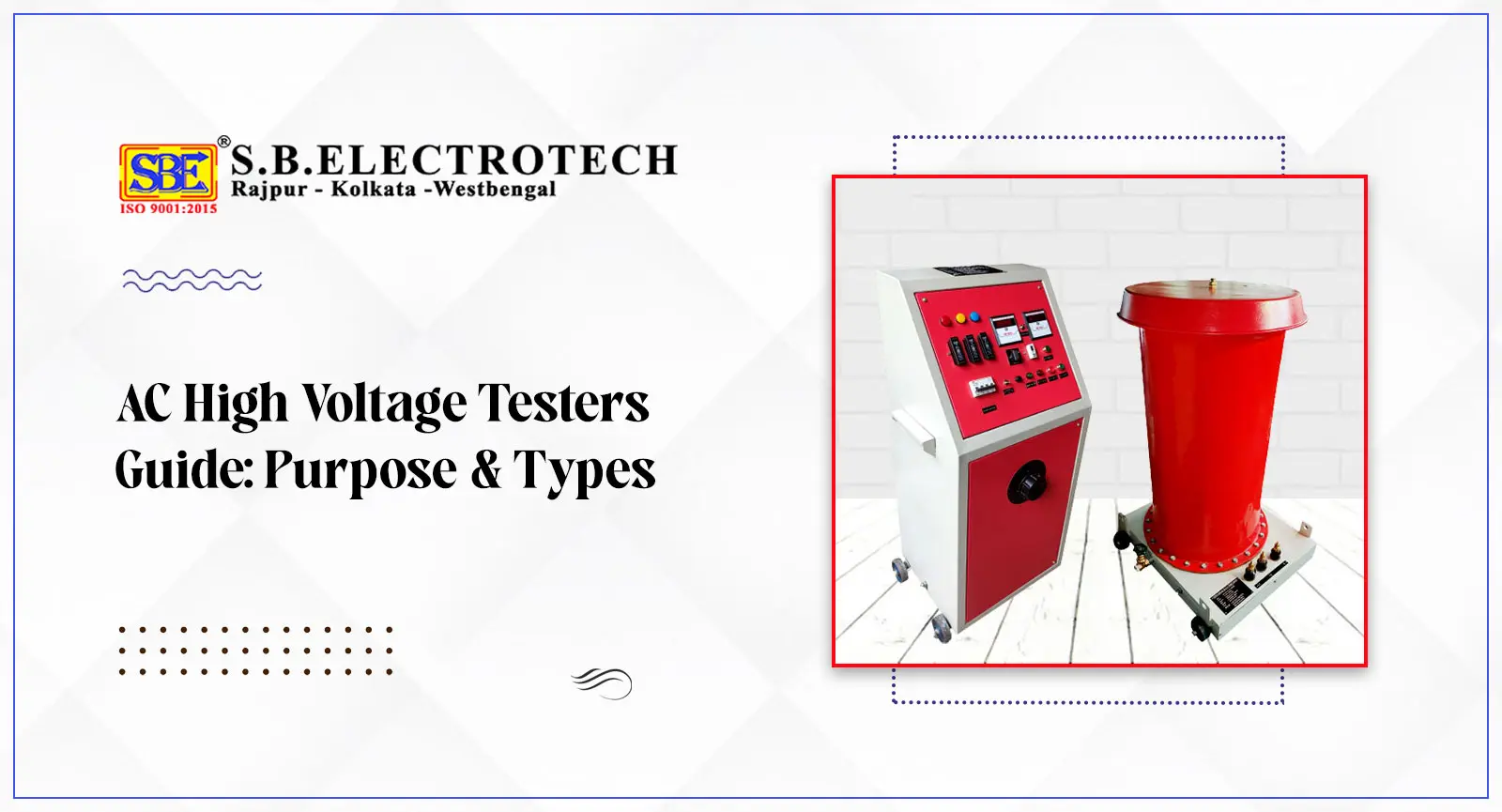
Working with high-voltage electrical equipment is not something to take lightly. Even a small fault in a transformer, motor, cable, or switchgear can lead to serious accidents, costly repairs, or unexpected downtime. This is exactly why an AC High Voltage Tester is so important. It’s a simple tool, but its impact is huge. By using it, you can check whether your equipment can safely handle the voltage it will face in real operation. It’s not just about following safety rules; it’s about protecting people, keeping machines running reliably, and preventing small problems from turning into big problems. For example, a quick test today can spot weak insulation or hidden faults that could otherwise cause a failure in the middle of production. Industries that take safety seriously, from power plants to factories, rely on voltage testers every day to make sure operations stay smooth and accidents stay away. In short, this simple tool is a small investment for a much bigger payoff in safety, reliability, and peace of mind.
Why Industries Use AC High Voltage Testers
Industries rely on voltage testers for several practical reasons:
- Safety: Detect weak insulation before it fails.
- Reliability: Ensure machines can handle full voltage.
- Cost saving: Spot issues early, avoiding expensive repairs.
- Compliance: Meet safety standards and regulations.
- Longer life: Proper testing prevents early breakdowns.
From power plants to factories, these testers are a daily part of keeping operations safe and smooth.
Types of AC High Voltage Tests
Different tests are done with an AC High Voltage Tester depending on the equipment and purpose:
- Dielectric Breakdown Test: Checks how much voltage the insulation can handle.
- Hi-Pot (High Potential) Test: Applies high voltage to see if insulation holds.
- Partial Discharge Test: Finds tiny insulation faults before they become bigger problems.
- Insulation Resistance Test: Measures how well insulation resists electricity. Low resistance points to issues.
- Flashover Test: Determines the voltage at which electricity jumps across surfaces.
- Sustained Low-Frequency Test: Runs equipment under normal voltage to check insulation stability.
These tests catch problems early and make sure equipment is safe for use.
How AC High Voltage Testers Are Used
Here’s how industries use these testers in real life:
- Transformers: Test insulation to handle rated voltage.
- Switchgear & Circuit Breakers: Confirm they won’t fail under normal operation.
- Cables & Conductors: Spot weak points along long runs.
- Motors & Generators: Ensure safe operation before installation.
Proper testing prevents accidents, reduces downtime, and keeps production running smoothly.
Tips for Choosing the Right AC High Voltage Tester
Choosing the right AC High Voltage Tester is important because the wrong tester can give inaccurate results or even put you at risk. Here’s what to keep in mind:
- Match the voltage rating to your equipment: Always pick a tester that can handle the maximum voltage of your machines. Using one with too low a rating can give false results or damage the tester.
- Look for safety features: Make sure the tester has proper insulation, overload protection, and clear warning signals. Safety features protect both the user and the equipment during testing.
- Ensure clear and accurate readings: A tester is only useful if the results are easy to read and reliable. Choose one with clear displays, simple controls, and precise measurement.
- Check industry standards compliance: Make sure the tester meets recognized safety and performance standards. This ensures it’s suitable for professional and industrial use.
- Consider portability: If you need to test equipment in different locations or across a large site, a portable tester makes your job easier and faster.
Selecting the right AC High Voltage Tester isn’t just about convenience; it directly impacts safety, efficiency, and reliability. With the right tester, you can perform inspections confidently, reduce errors, and make sure your electrical systems run smoothly.
Conclusion
A high-voltage tester is one of the most useful tools for anyone working with electrical equipment. It helps find weak insulation, hidden faults, or problems before they turn into accidents or costly repairs. Using it keeps people safe and machines running without interruptions. At SB Electrotech, our AC High Voltage Testers are built for real industrial work, helping teams test equipment quickly, safely, and reliably. It’s a small investment that makes a big difference in daily operations.

S.B.ELECTROTECH
S.B. Electrotech is a company that specializes in manufacturing of electrical and electronic testing and measuring instruments. With years of expertise in this field, we ensure to provide high quality, safe, and sustainable products.
